
EP Vacancies: Opportunities in CERN’s Experimental Physics (EP) Department
A word from the EP Department Deputy Head - Summer 2026
Dear Colleagues, I am very happy to introduce the summer 2026 edition of the EP newsletter.
READ MORE
Interviews & Features
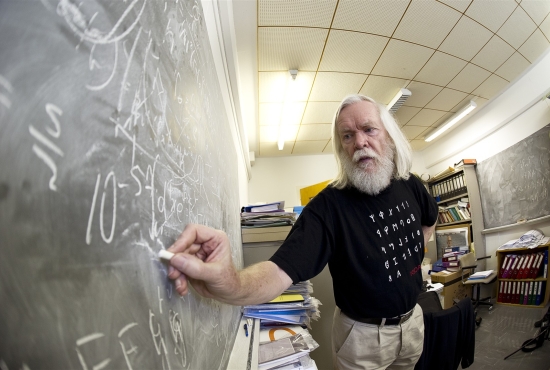
In discussion with John Ellis: The Higgs, Patience and Perseverance in Science
In this wide-ranging conversation, John Ellis reflects on the decades-long path to the Higgs boson, the lessons of scientific perseverance, and the future experiments that may reveal what lies beyond the Standard Model.
Read MORE
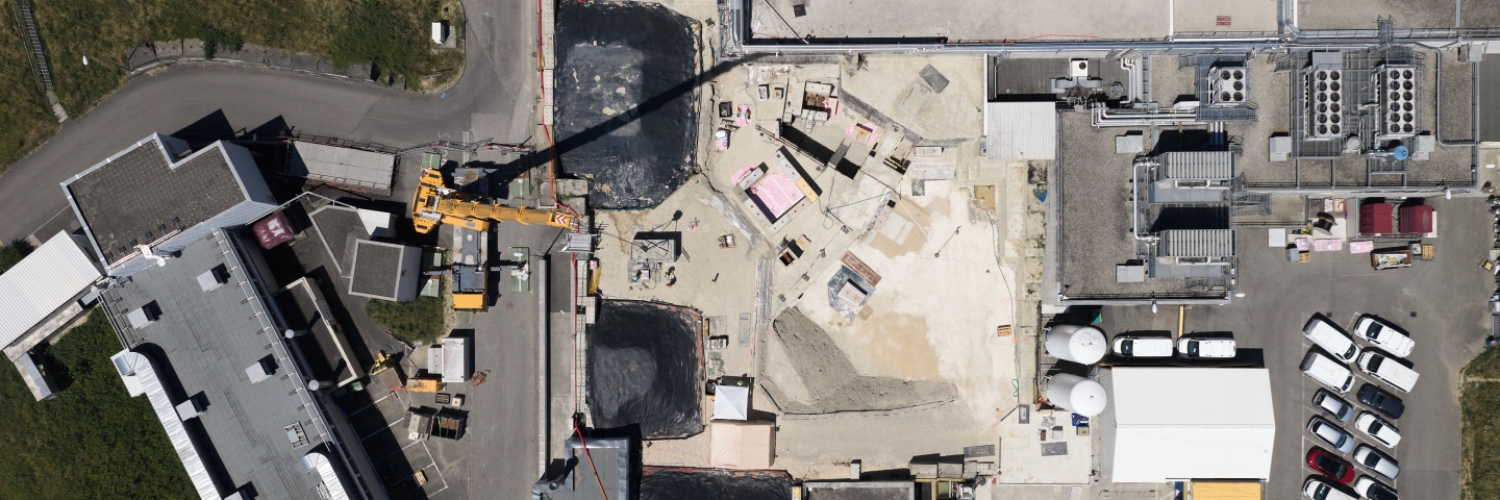
The ISOLDE Improvement Programme
During LS3, ISOLDE is undergoing a major programme of upgrades and consolidation work that will strengthen its reliability, safety and performance for future radioactive-ion-beam physics.
Read MORE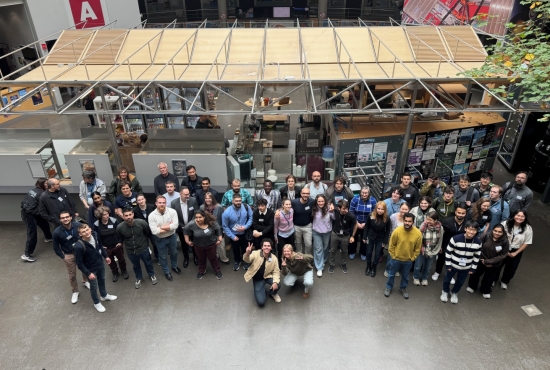
AI for Gravitational Waves: Building Bridges Between Scientific Communities
From 5 to 8 May 2026, CERN hosted more than 80 participants for a workshop on how AI is transforming gravitational-wave science.
Read MORE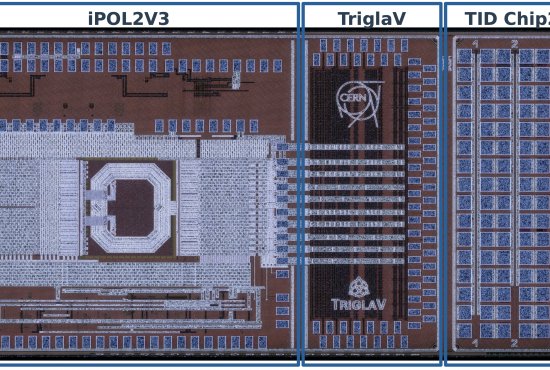
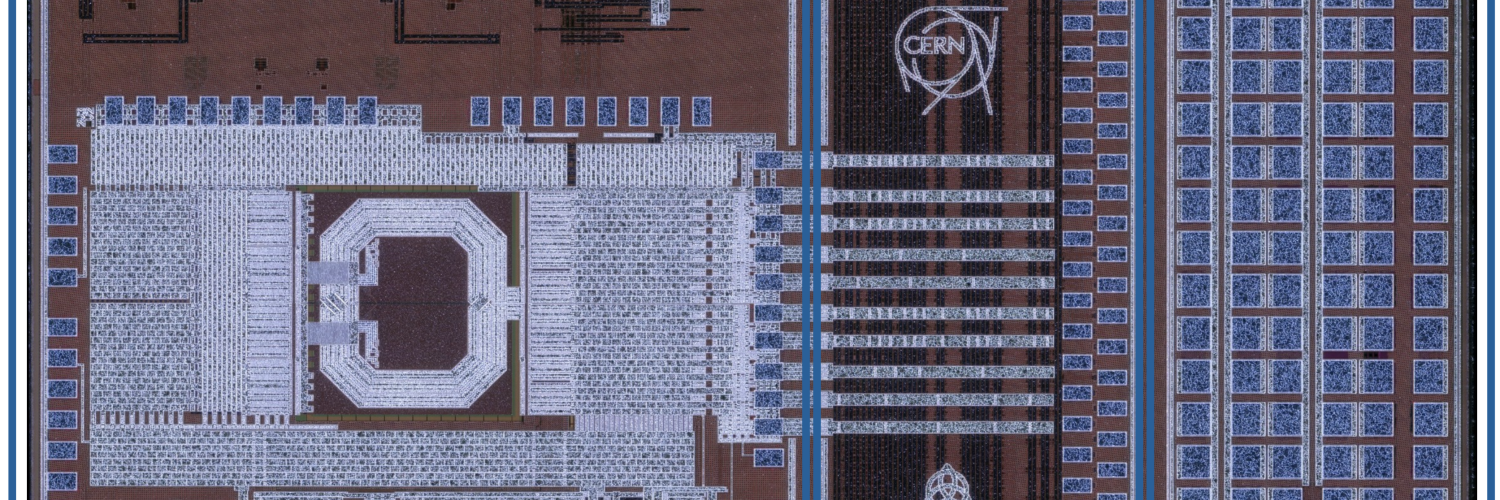
Building a Microelectronics Foundation for Tomorrow’s Detectors
From 28 nm CMOS qualification to on-detector intelligence, advanced power converters and 3D interconnects.
Read MORE
Rucio crosses the exabyte horizon
Rucio has crossed the exabyte horizon with ATLAS and CMS, marking a new era for distributed scientific data management and its growing role as shared infrastructure for global research communities.
Read MORE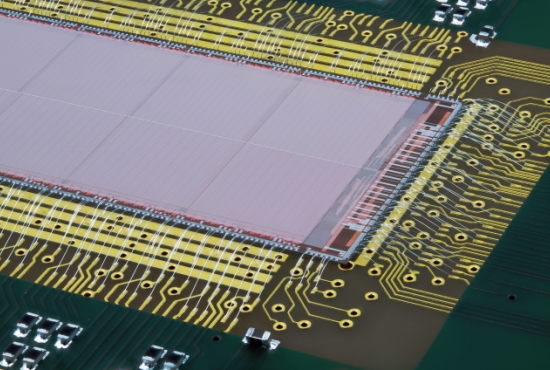
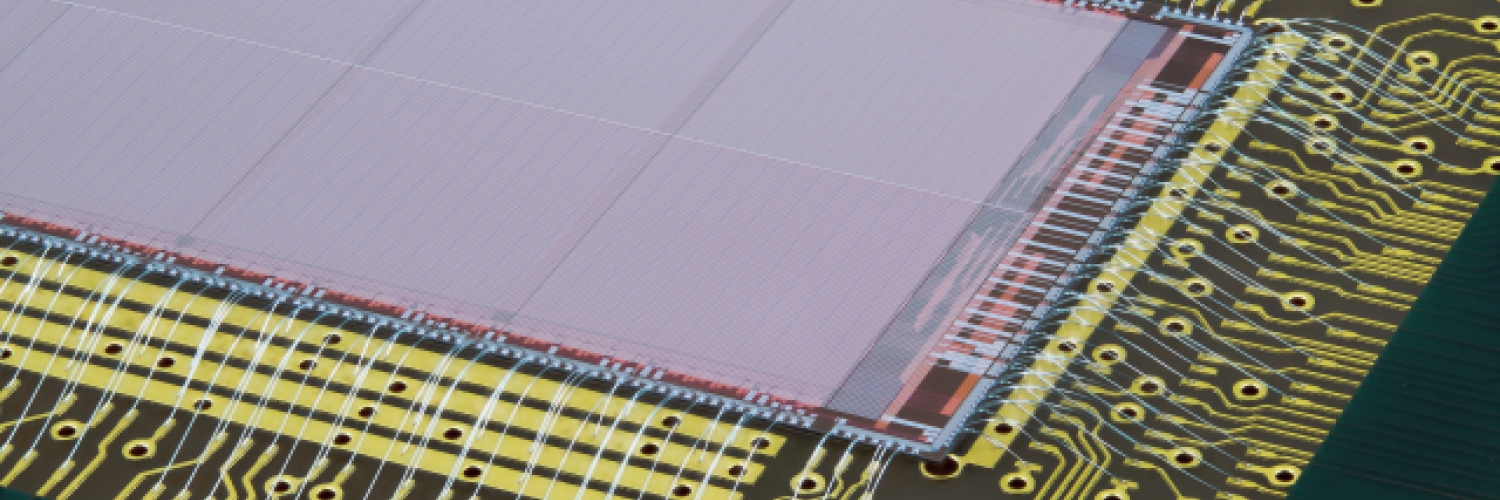
MOSAIX: Designing bent wafer-scale monolithic pixel sensors for the ALICE ITS3 upgrade
The ALICE ITS3 upgrade will bring ultra-thin, wafer-scale silicon sensors closer than ever to the collision point, pushing the limits of precision tracking, low-mass detector design and bent-silicon technology.
Read MOREResults from the experiments
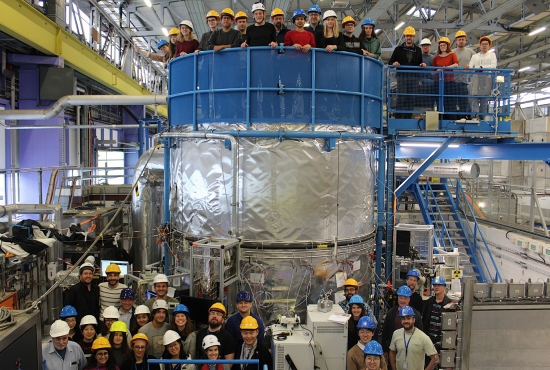
CLOUD experiment reveals a major new source of marine aerosol particles
New CLOUD results reveal that marine phytoplankton emissions can help form and grow climate-relevant aerosol particles, pointing to a previously underestimated natural source of cloud-forming particles in clean marine environments.
Read MORE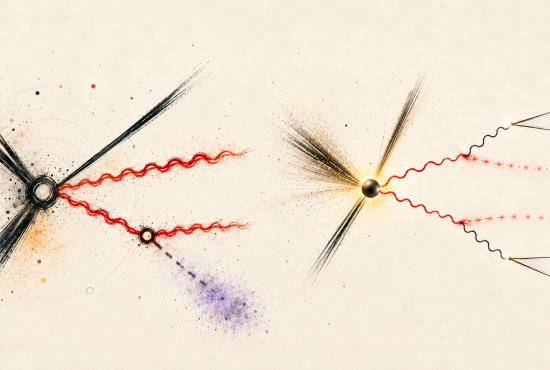
New ATLAS and CMS searches close the gap for compressed higgsinos
Using new low-momentum lepton, displaced-track and machine-learning techniques, ATLAS and CMS are probing one of the most challenging regions of supersymmetry searches: compressed higgsinos that may still be hiding in the LHC data
Read MORE
Towards monitoring in Run 4 and beyond: LHC experiments exchange perspectives on data quality at the HL-LHC
As the LHC prepares for the HL-LHC era, experts from ALICE, ATLAS, CMS and LHCb are rethinking how data quality can be monitored, certified and safeguarded with greater precision, automation and expert control.
Read MORE
Online use of AI within ALICE
From cluster finding and data-quality monitoring to expert support, ALICE is bringing AI into online operations to make data taking faster, more efficient and more responsive to the challenges of Run 4.
Read MORE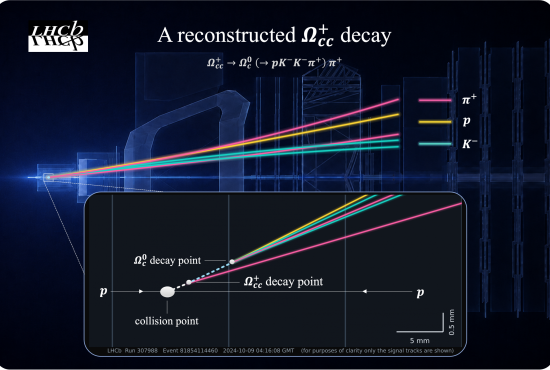
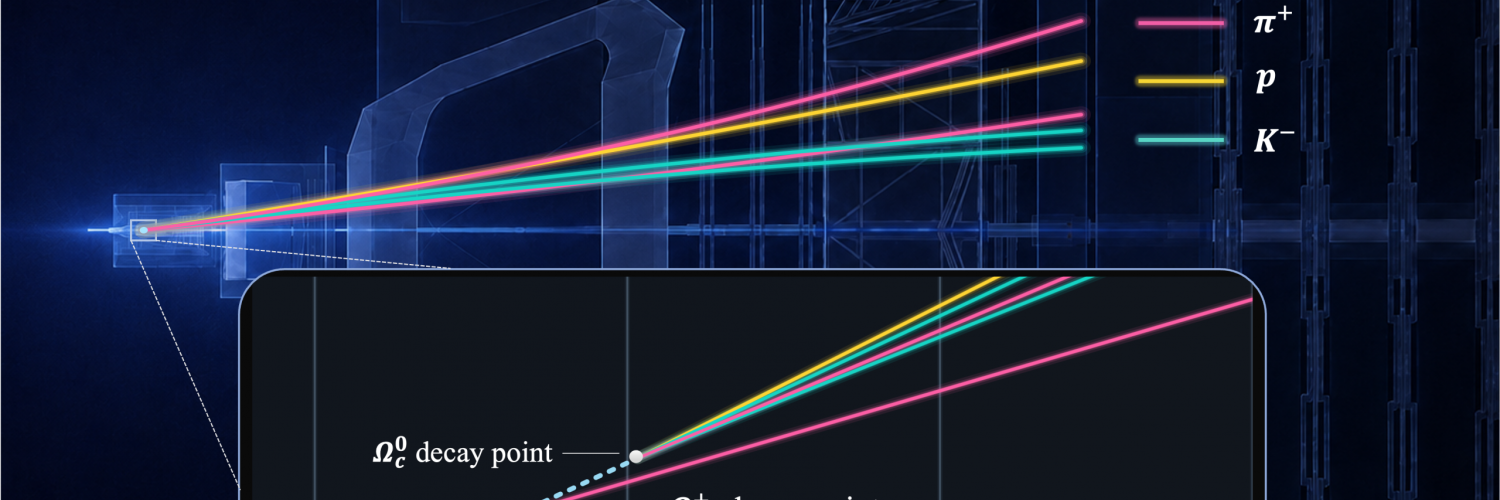
LHCb completes a long-awaited family of doubly charmed baryons
The observation of the Ωcc+ baryon with the upgraded LHCb detector completes a family of particles predicted for decades and opens a new chapter in heavy-flavour spectroscopy at the LHC.
Read MORE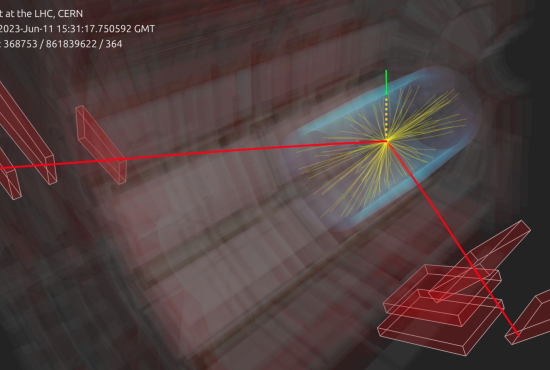
Out of the loop: CMS advances in the search for a rare Higgs boson decay
CMS pushes the sensitivity frontier towards a measurement of the rare Higgs boson decay into a Z boson and a photon.
Read MORE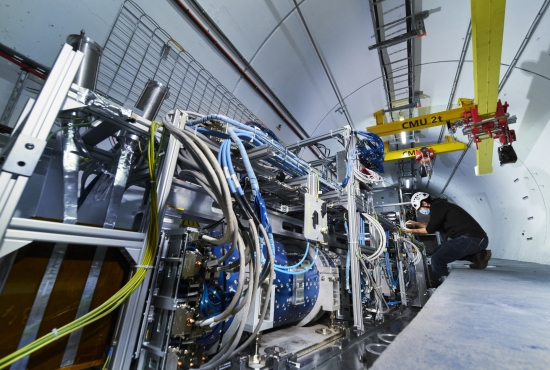
FASER opens new windows on dark sectors and TeV neutrino physics
FASER’s latest results show how a compact detector in the LHC’s far-forward region can probe dark-sector particles and open a new era of TeV-scale collider-neutrino physics.
Read MORESpecial Features
ATLAS Turns Into a Precision Cosmic Ray Laboratory
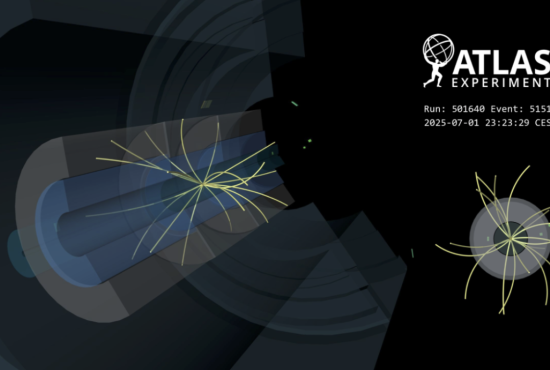
ATLAS’s first proton–oxygen measurements provide crucial accelerator-based data for understanding cosmic-ray air showers, helping connect collider precision with the physics of the high-energy universe.
Read MOREALICE reveals quark-gluon plasma energy loss in OO collisions
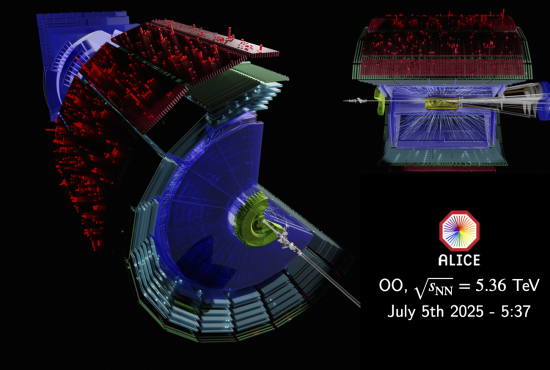
New ALICE neutral-pion measurements point to parton energy loss in oxygen–oxygen collisions, suggesting QGP formation in much smaller systems than previously expected.
Read MORELight ions bring CMS closer to the onset of QGP-like behaviour
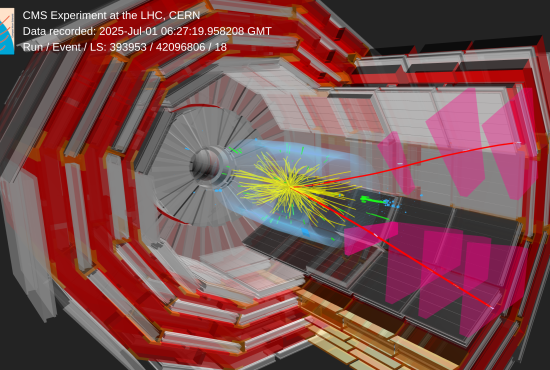
First CMS results from oxygen–oxygen and neon–neon collisions reveal collective flow, charged-particle suppression and new sensitivity to nuclear structure.
Read MORE
LHCb explores new light-ion territory with special LHC runs
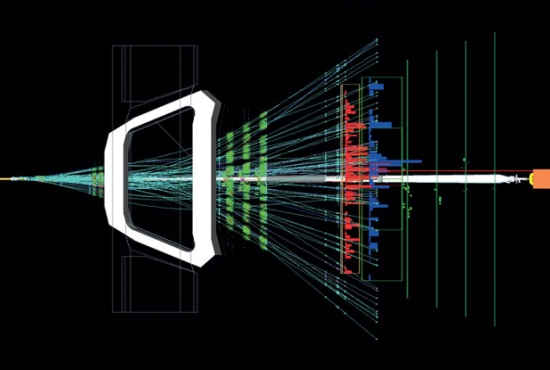
New light-ion data from LHCb open a fresh window on forward heavy-ion physics at the LHC.
Read MORE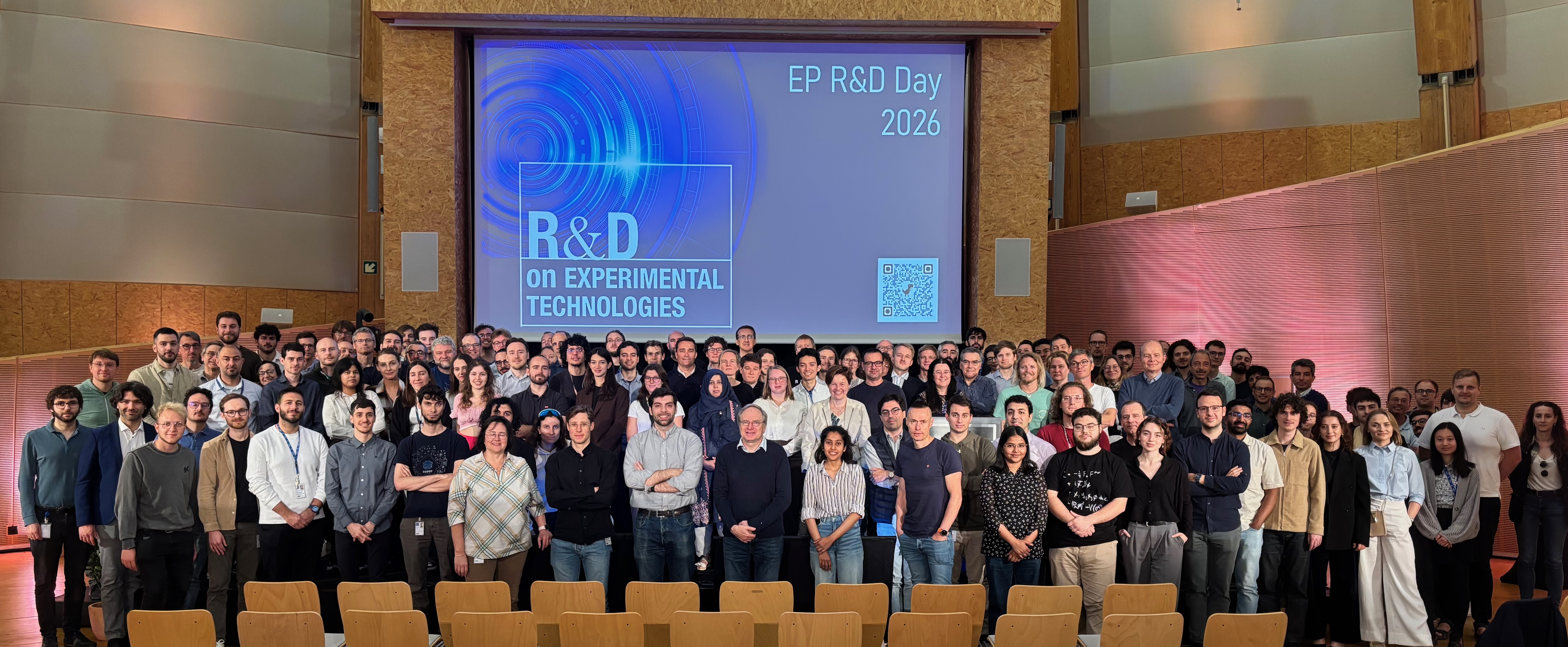
EP R&D Day 2026: technologies for the next generation of experiments
The 2026 EP R&D Day showcased the expertise, tools and ideas driving future experimental physics.
Read more